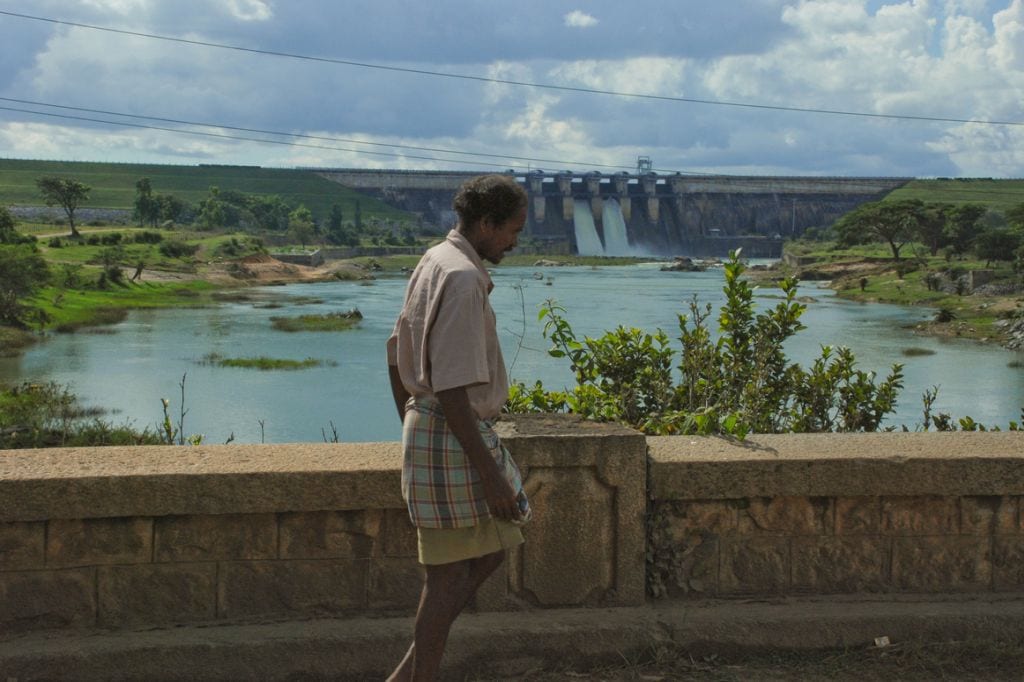
New Publication: Guidebook for Monitoring and Evaluating Ecosystem-based Adaptation Interventions
A new guidebook is now available for monitoring the outcomes and impacts of nature-based solutions to climate change adaptation.

A new guidebook is now available for monitoring the outcomes and impacts of nature-based solutions to climate change adaptation.
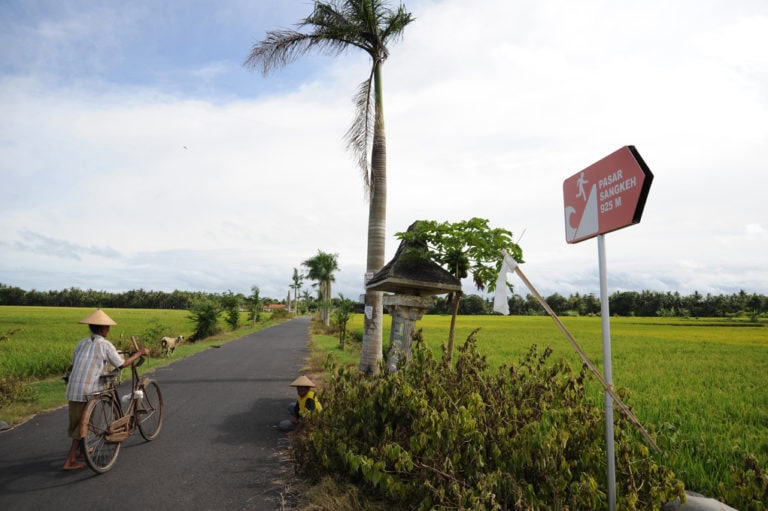
The adoption of the Sendai Framework for Disaster Risk Reduction and the Paris Agreement on climate change in 2015 provides a clear mandate for increased coherence in countries’ approaches to climate and disaster risk reduction.
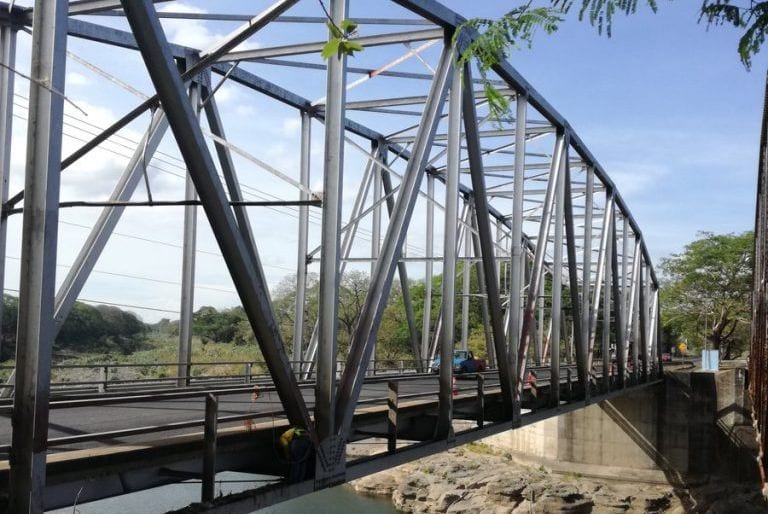
The report provides decision-makers with necessary information to adopt adaptation measurements towards the operation of a climate-resilient bridge.
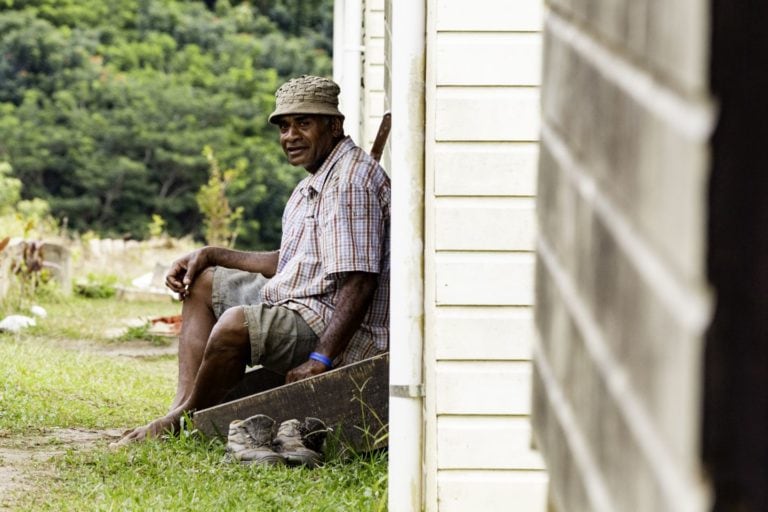
AdaptationCommunity.net just launched a new section on climate change and migration.

A new guidance paper by WWF US provides recommendations on how countries can integrate nature-based solutions in these national climate plans.
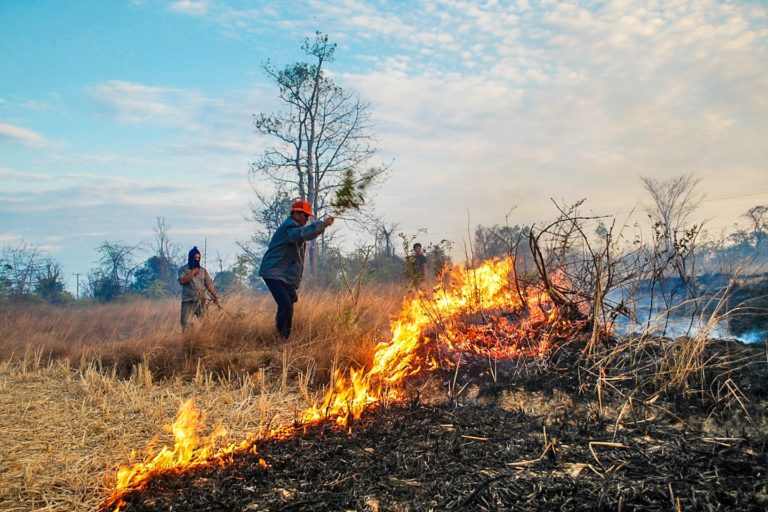
IIED has created a framework for developing climate adaptation monitoring, evaluation and learning systems (CAMELS).
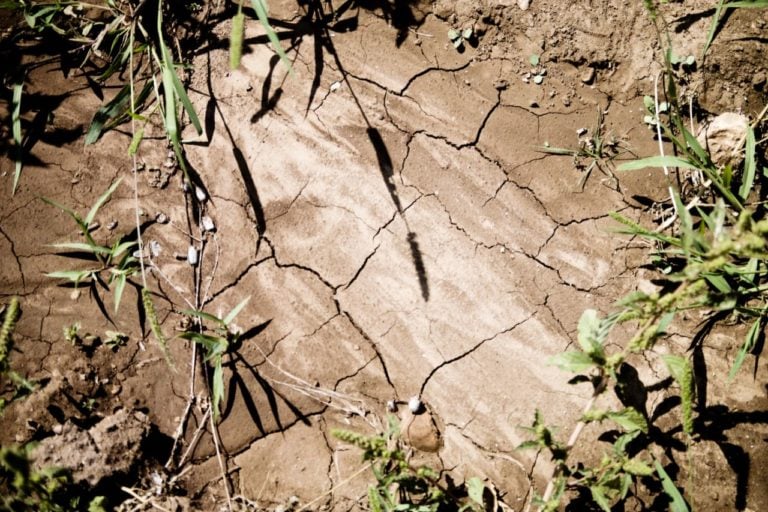
Development as such is already complex. Development in line with all or most of the Sustainable Development Goals (SDGs), the Paris Agreement, Nationally Determined Contributions (NDCs), National Adaptation Plans (NAPs) and country- or sector-specific objectives and frameworks is immensely challenging.
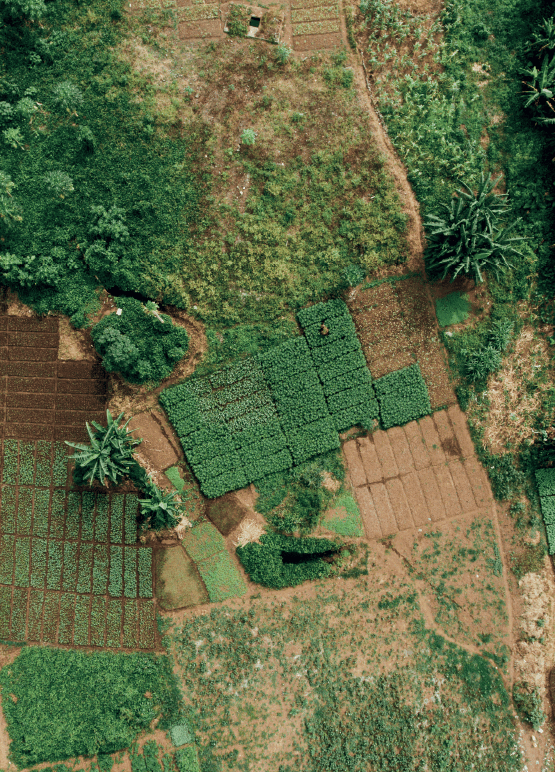
Climate Risk Analysis for Identifying and Weighing Adaptation Strategies in Ghana’s Agricultural Sector With climate change impacts increasingly affecting people’s livelihoods and dampening economic growth
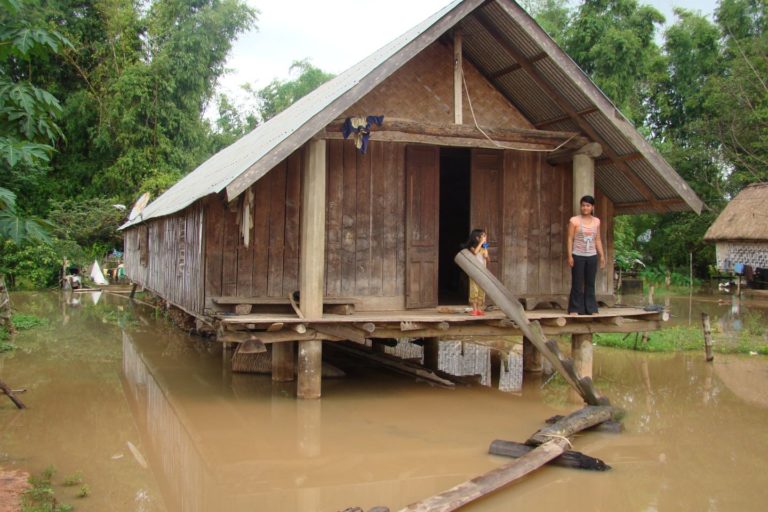
A new publication series by adelphi about effective mobilization and application of adaptation finance seeks to contribute and advance the adaptation finance debate, support capacity building, and provide practical tools that facilitate implementation on the ground.
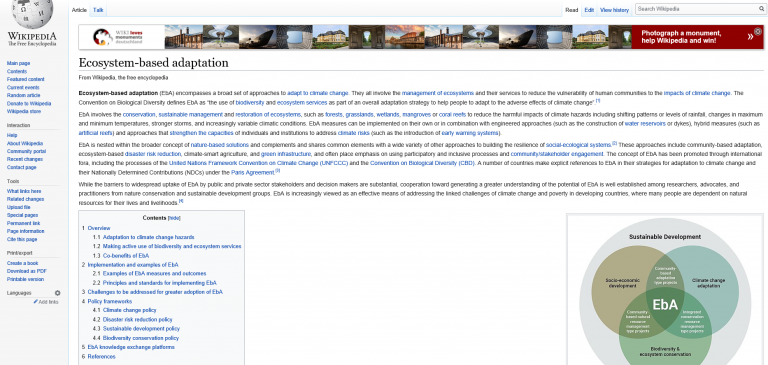
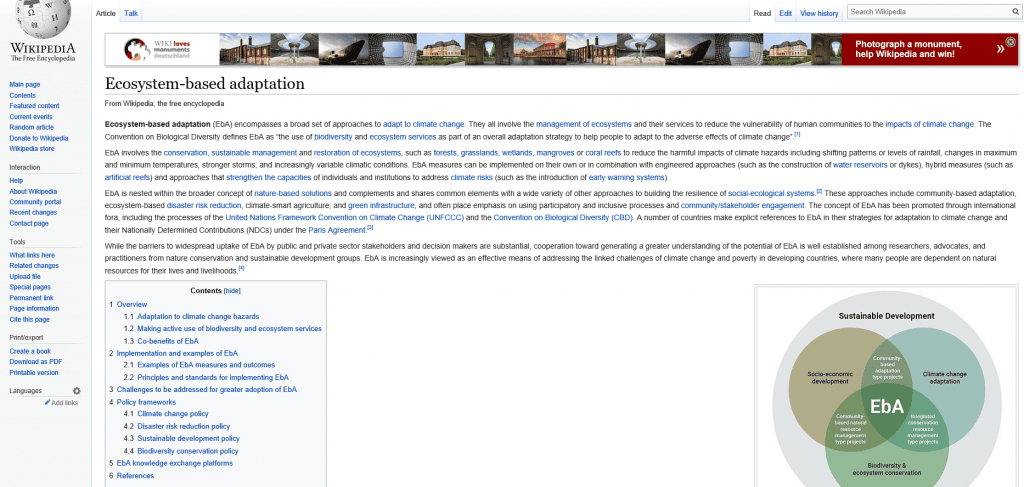
A Wikipedia article on Ecosystem-based Adaptation (EbA) is now available online. The article was co-authored by members of FEBA’s Wikipedia Working Group, with involvement of

So far climate services catering to the specific needs of the infrastructure sector are underdeveloped. This event deals with the question of how this can be changed.
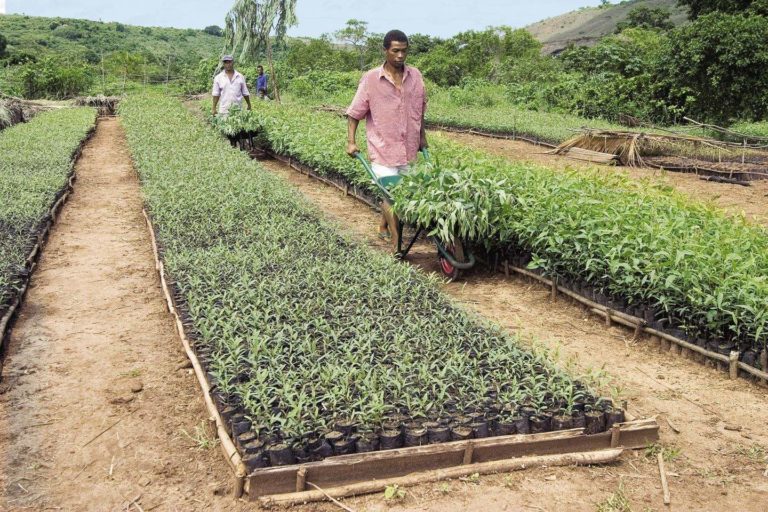
This scoping paper by IISD unpacks the latest debates and approaches to defining adaptation and distinguishing it from other development investments.

Adapting to the impacts of climate change, whether at the national, sub-national or community level, is not the responsibility of national governments alone. This study aims to offer guidance to governments and their partners on how to engage the private sector in the NAP process.
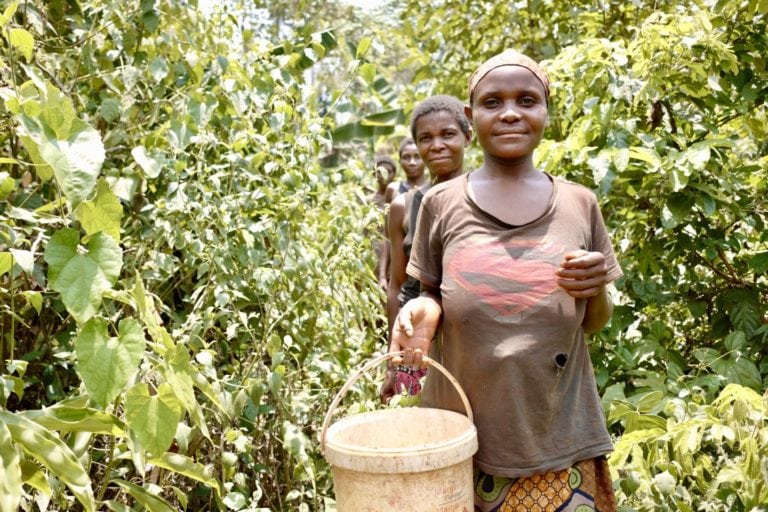
Four Country Case Studies were developed on the national adaptation planning (NAP) process in selected countries. The purpose of this series is to provide an update on the current NAP process, showing first lessons learned and giving an outlook on the next steps to be taken in the iterative NAP process.
This case study was developed as part of a series on the national adaptation planning (NAP) process in selected countries, looking at specific climate risks as well as the governance structure and policy framework.

This new briefing by the International Institute for Environment and Development explores how learning from the local to national level informs planning and reporting from the bottom up, providing stronger evidence for adaptation assessments.
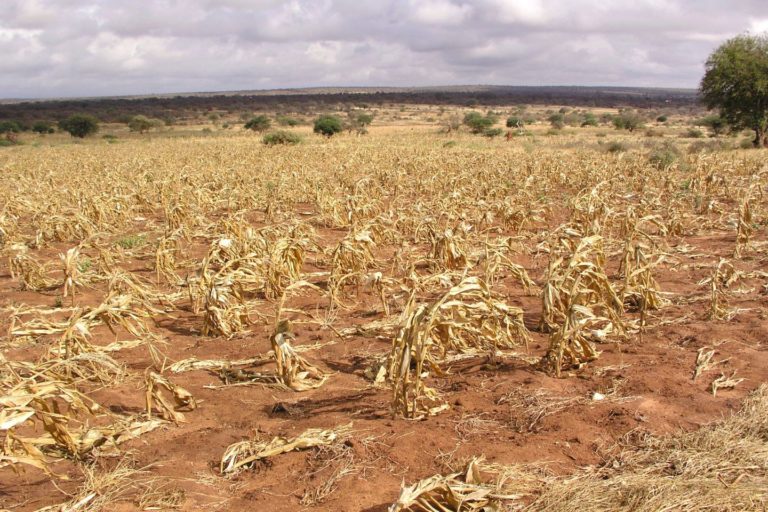
This is the second in a series of briefs by the NAP Global Network and GIZ focusing on alignment of country efforts under the 2030 Agenda for Sustainable Development, the Paris Agreement and the Sendai Framework for Disaster Risk Reduction.
This publication is primarily for policymakers, decision-makers and practitioners who are working on climate change adaptation at a national level (e.g. ministries of environment, climate change focal points,and adaptation and sectoral experts).