We have modernised our website and developed a new logo and layout for adaptationcommunity.net. The website was made clearer and equipped with a user-friendly navigation. At the same time, the information and topics were updated.
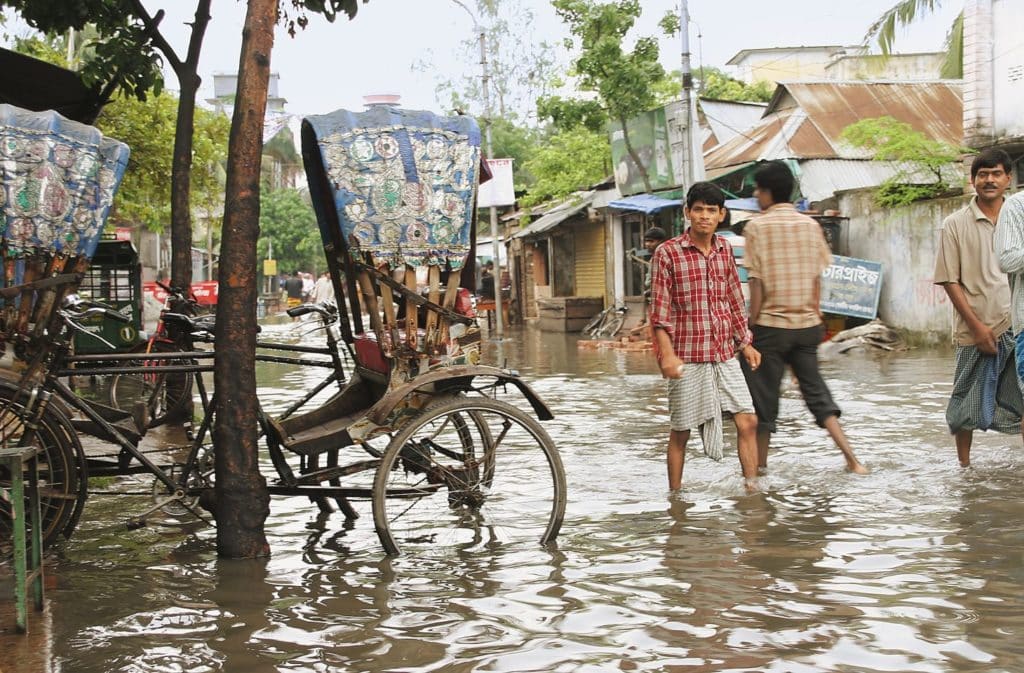

COP30 delivered two signals that frame the outlook for 2026: first, the political commitment to significantly scale up adaptation finance under the new collective quantified goal; second, the adoption of the Belém Indicators for the Global Goal on Adaptation (GGA). While these outcomes marked progress, they also left open questions around implementation, comparability and support for countries with limited capacities. Against this backdrop, 2026 will be decisive in determining whether adaptation ambition translate into tangible resilience gains worldwide and particularly in the Global South.
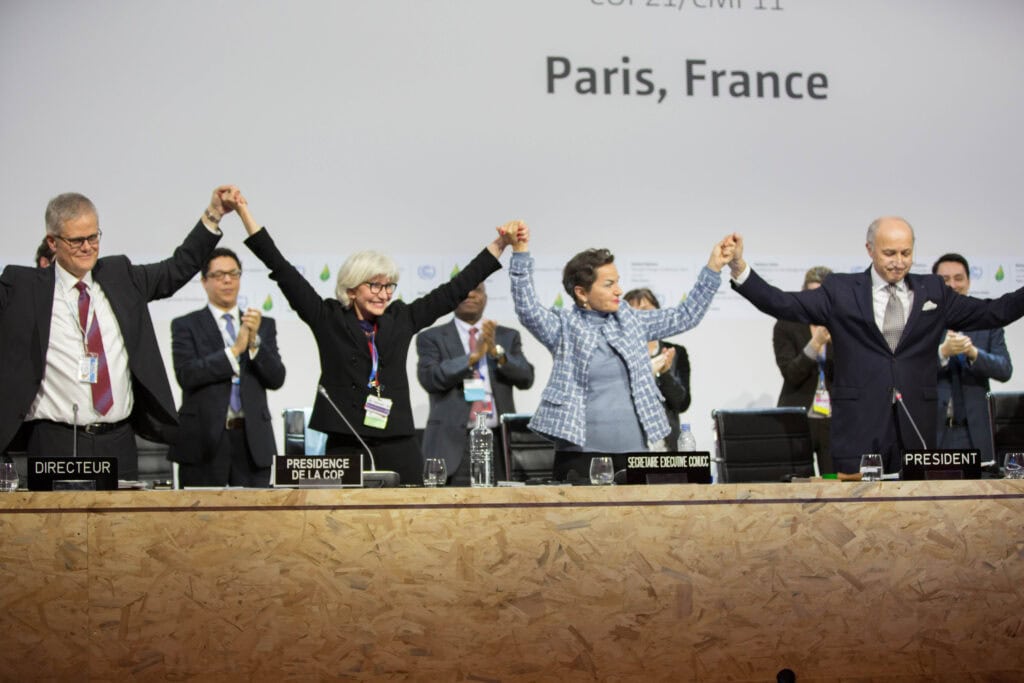
Ten years after the adoption of the Paris Agreement, climate adaptation has become a defining element of global climate policy. This shift did not begin in 2015, but Paris marked the moment when adaptation moved from a fragmented field of pilot projects and scattered vulnerability assessments to a recognised pillar of international climate governance.
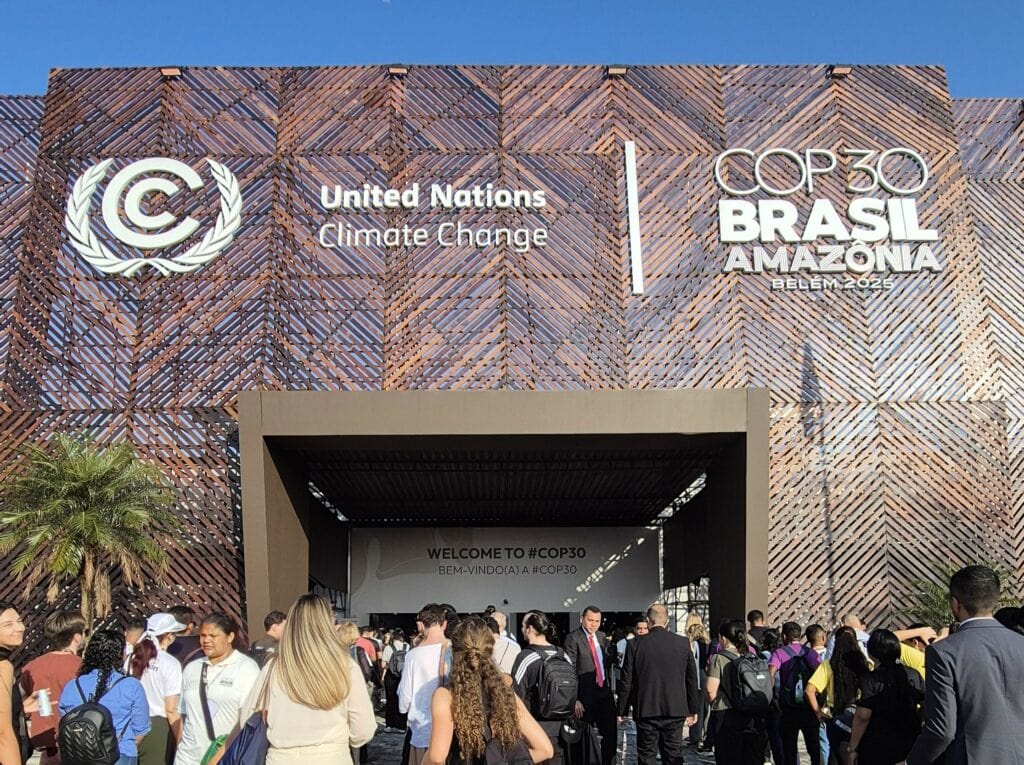
Adaptation moved to the forefront at COP30 in Belém, driven by the need to accelerate action and to clarify how progress can be measured. Parties agreed to step up efforts to at least triple adaptation finance by 2035 in the context of the new collective quantified goal on climate finance, intended to support developing countries.